
Heavy-Duty Cartridges & High-Thrust Guns for Construction Sealants: A Job-Site Dispensing Selection Guide
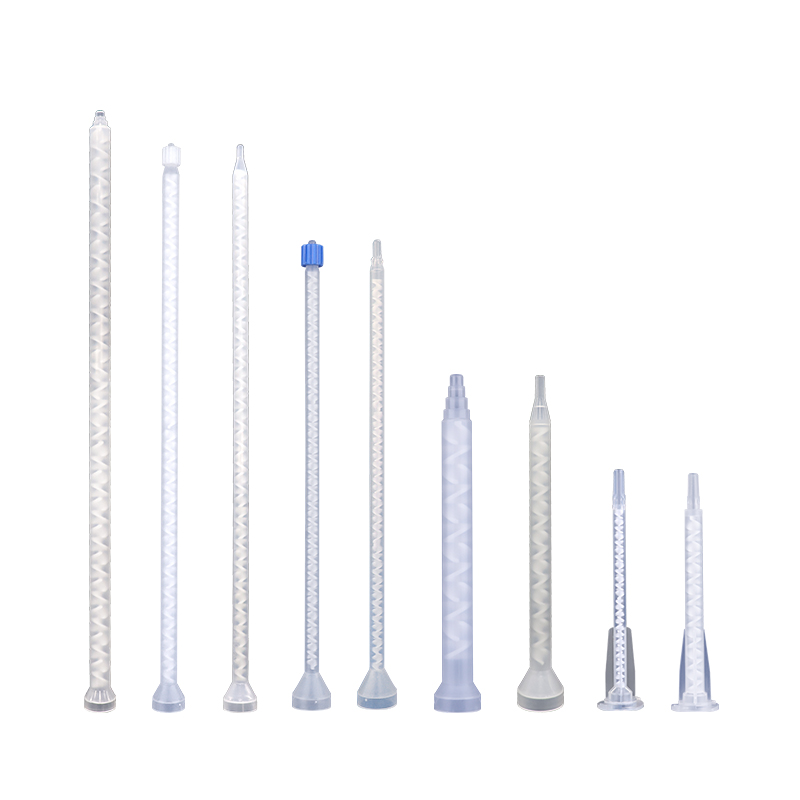
Match heavy-duty cartridges, high-thrust guns, and static mixers to construction sealing jobs. Selection logic, on-site troubleshooting, and a pre-spec compatibility checklist.
Resin Static Mixer Selection: Build the Formulation Input Sheet
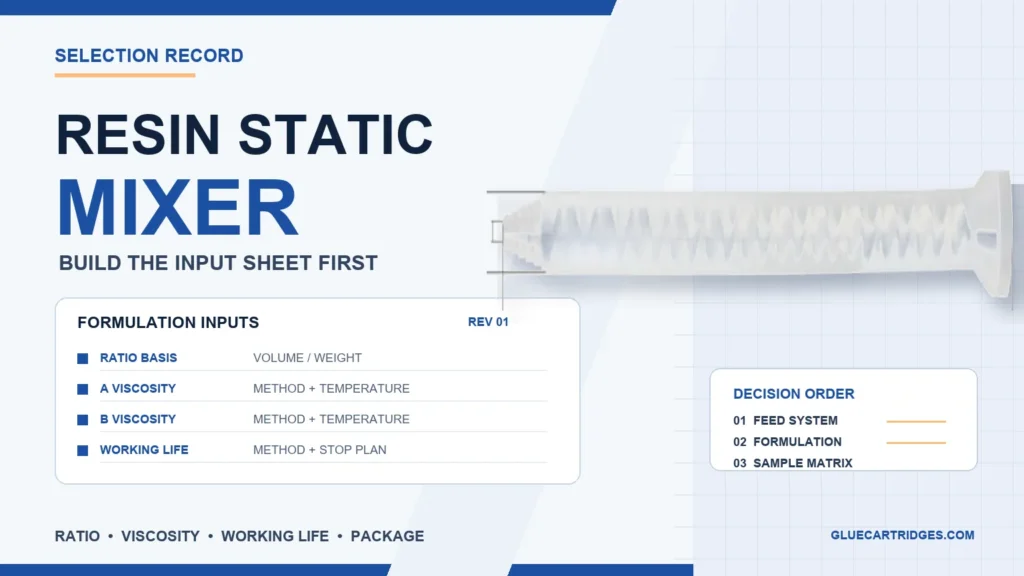
A resin static mixer enquiry often arrives with one useful noun and none of the fields that control selection. “Epoxy,” “polyurethane,” or “casting resin” does not define the ratio basis, individual component viscosities, package outlet, working life, or stop pattern. A supplier can guess a part number from that description, but the buyer cannot defend […]
Adhesive Dispensing Nozzles vs Mixing Nozzles
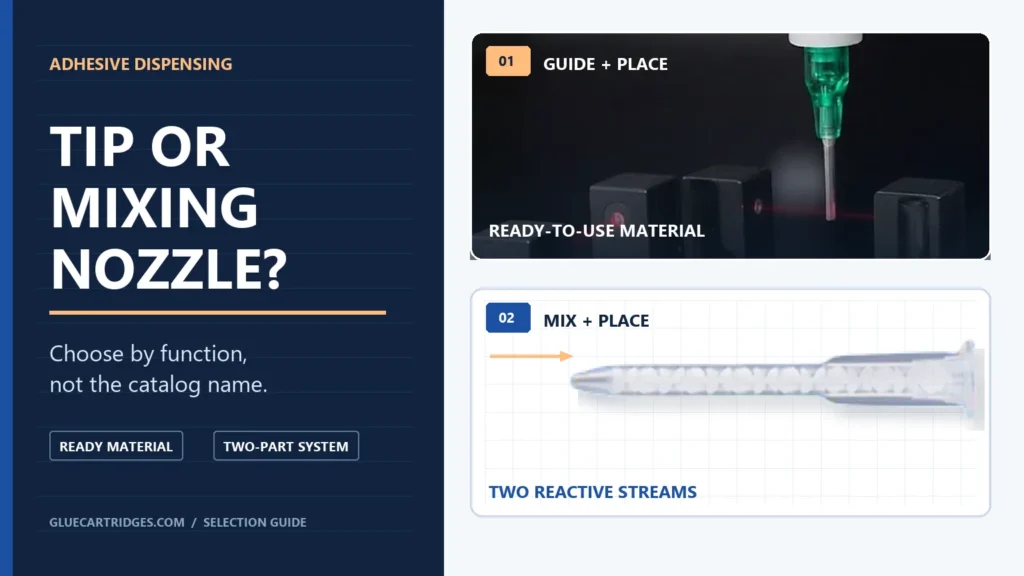
A purchase order that says only “adhesive dispensing nozzles” leaves the most important decision unresolved. The supplier may quote a tapered tip, a steel needle, a cartridge spout, or a static mixer. All four can sit at the end of a dispensing system, but they do different work. Key Takeaways Choose the function before the […]
How to Match Dual-Component Cartridges, Static Mixers, and Dispensing Guns
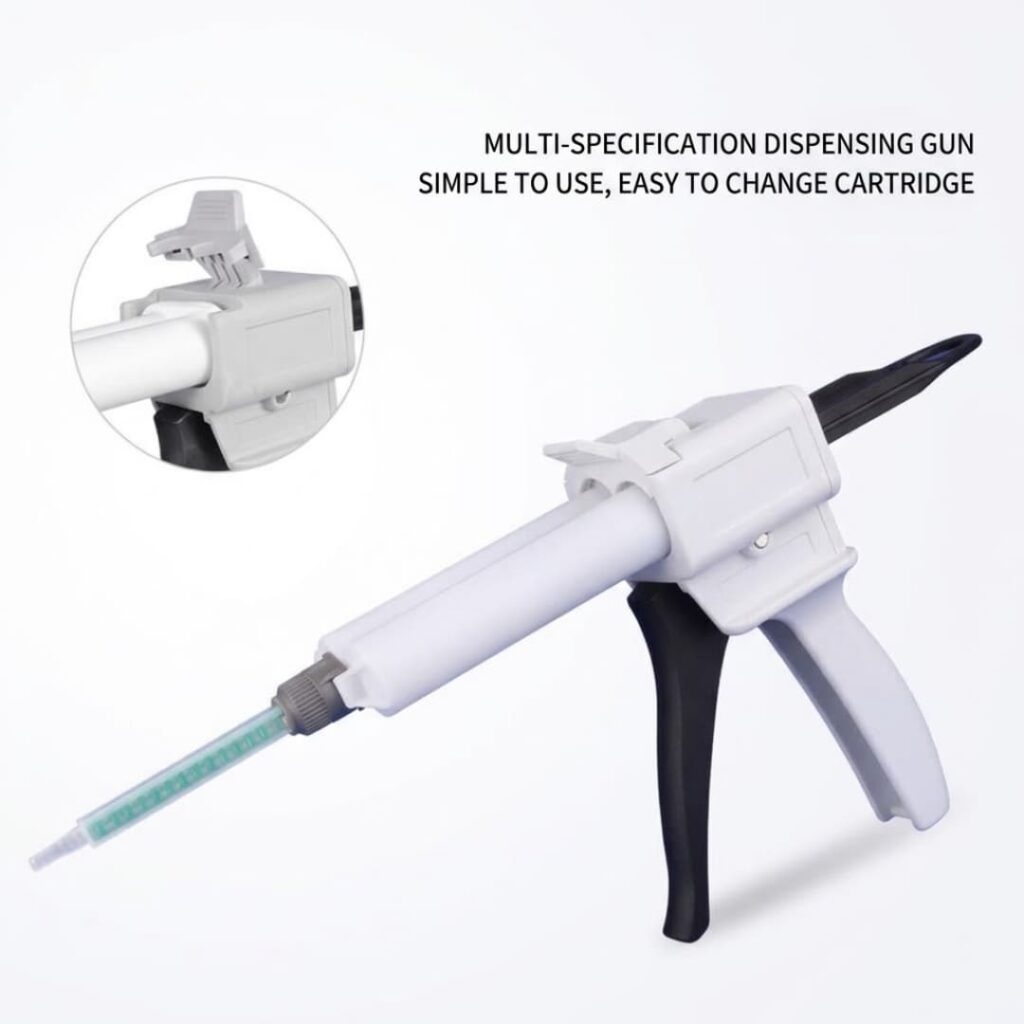
Choosing a dual component adhesive dispensing system is not simply a matter of selecting a cartridge, mixer, and dispensing gun separately. These components need to work together mechanically and functionally. The cartridge must fit the dispensing gun, the cartridge outlet must connect correctly to the static mixer, and the mix ratio must be supported by […]
Cartridge Filling Machines: Selection and FAT Guide
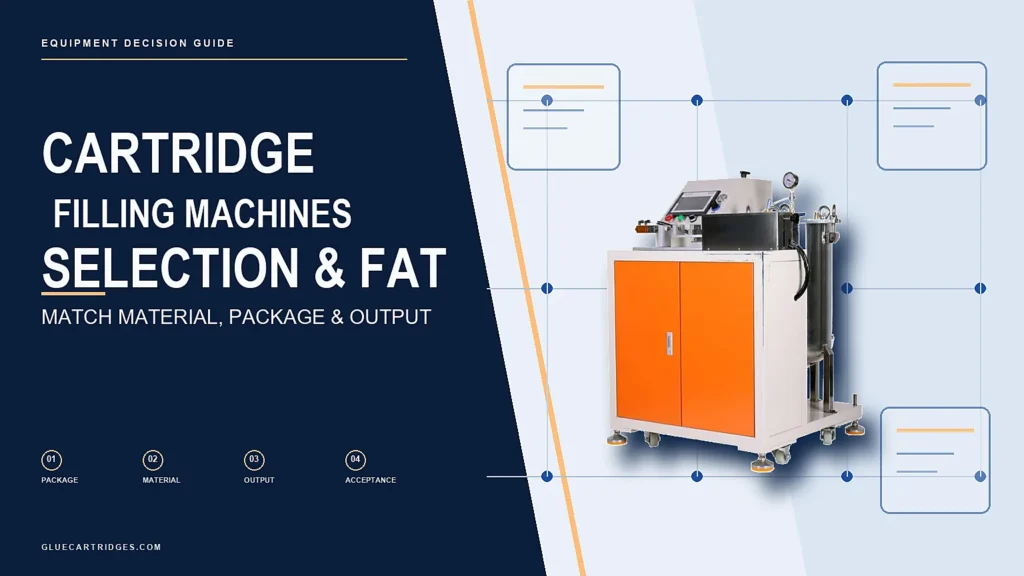
Haijing Engineering TeamPublished September 17, 2026 · Updated September 17, 2026 A quote for cartridge filling machines can look complete while hiding five unresolved decisions: how material leaves the bulk container, how the dose is measured, how the cartridge moves during filling, how the package closes, and what evidence releases the machine. A buyer who […]
Epoxy Mixing Nozzles for 200ml & 400ml Cartridges: Sizing, Ratio, and Fit
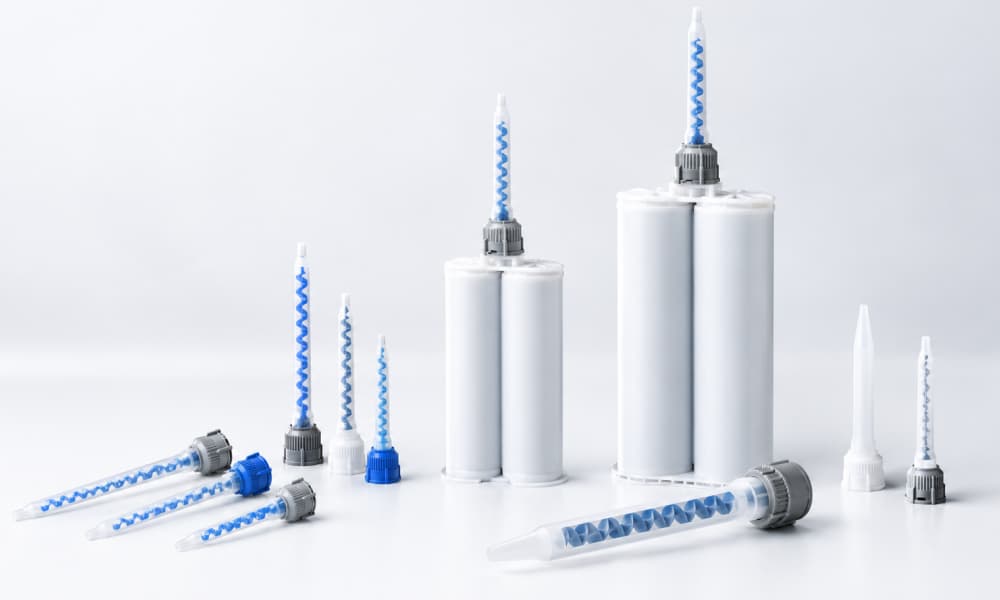
Choosing an epoxy mixing nozzle for 200ml or 400ml cartridges? Match chemistry, ratio, and interface (Bell/Screw-On/F-System) to element count and bore. Practical sizing table plus FAQ.
2-Part Epoxy Mixing Nozzle Qualification: A Production Release Test
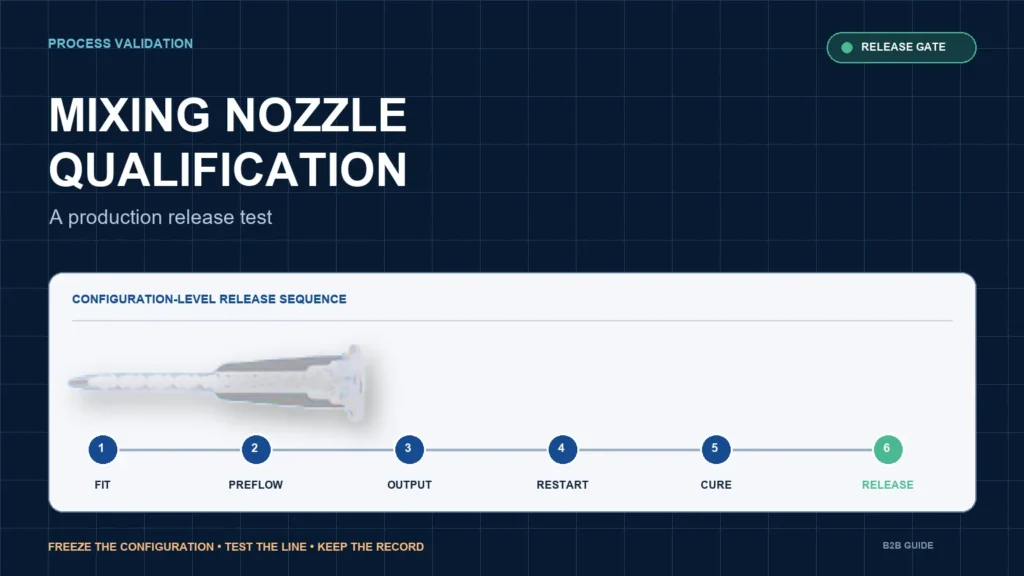
Haijing Engineering TeamPublished September 15, 2026 · Updated September 15, 2026 A mixing nozzle qualification can appear to pass after one clean-looking bead. That is a weak release decision. The same configuration may leak at the inlet, load the dispenser during a longer run, show streaks after a pause, or produce adhesive that fails the […]
2K Dynamic Mixing Nozzles: When Static Mixing Reaches Its Limit and What to Specify Next
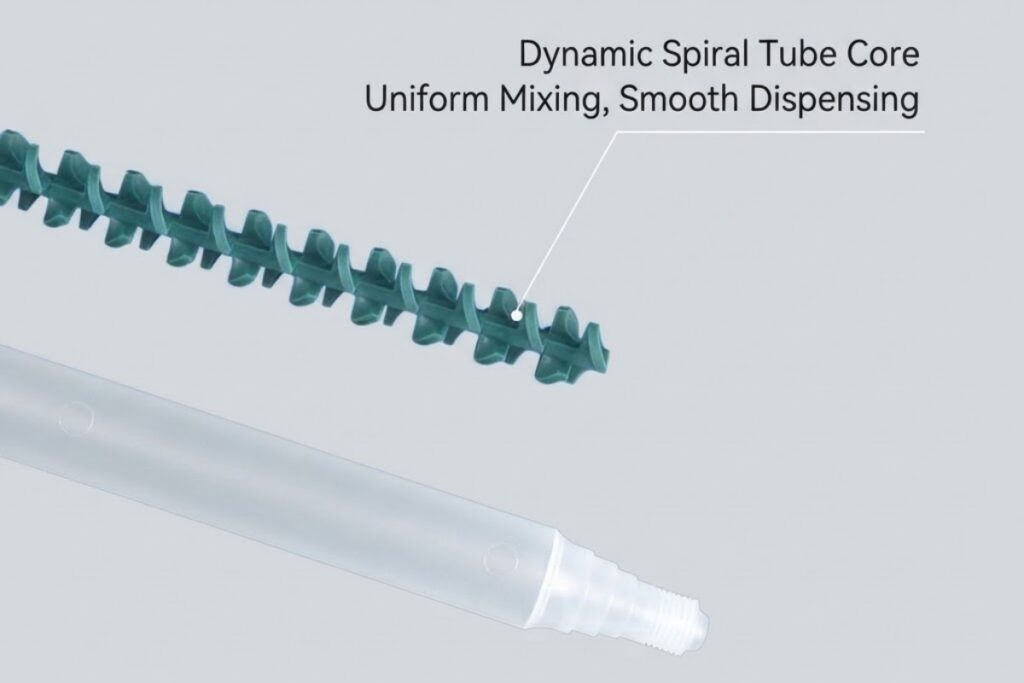
Learn when a 2K dynamic mixing nozzle outperforms a static mixer, how to read its specification, and what to confirm before integrating one into a dispensing line.
2K Cartridge Failure Analysis: Build a Supplier Claim That Can Be Tested
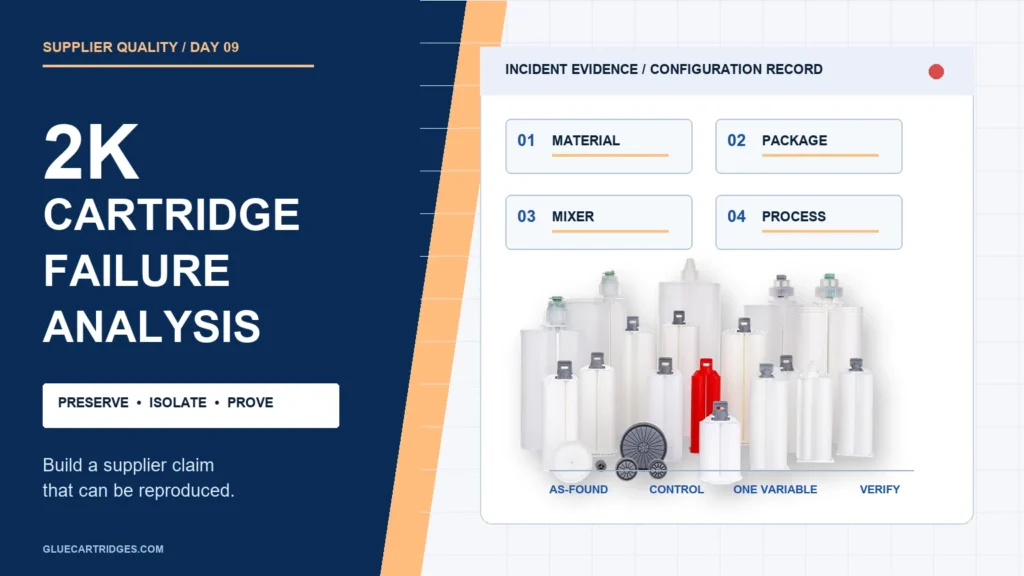
A 2K cartridge failure analysis often goes wrong in the first ten minutes. Someone changes the mixer, advances the plungers, wipes the outlet, or opens the cartridge before photographing the fault. The line may restart, but the evidence needed to separate a package defect from a setup or material problem has disappeared. Key Takeaways Quarantine […]
Cartridge Filling Machines: How to Match Machine Configuration to Your Adhesive, Cartridge, and Output
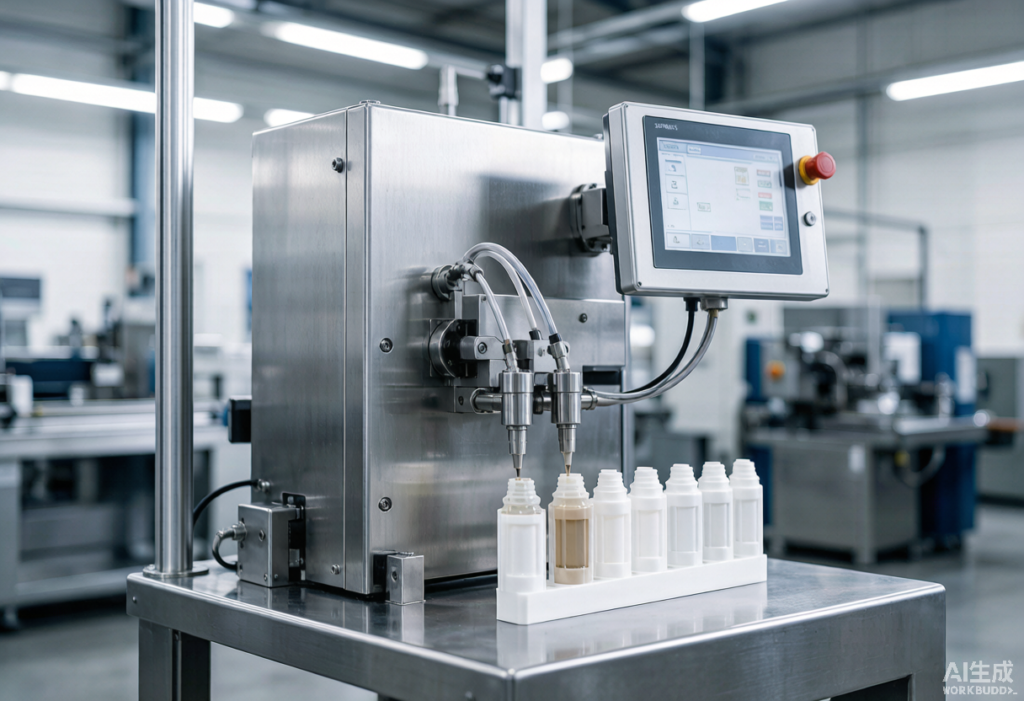
Choose the right cartridge filling machine by viscosity, cartridge size, mix ratio and output. Compare 1K and 2K configurations with a supplier spec checklist.