Introduction: The Critical Role of Interface Design in Two-Component Dispensing
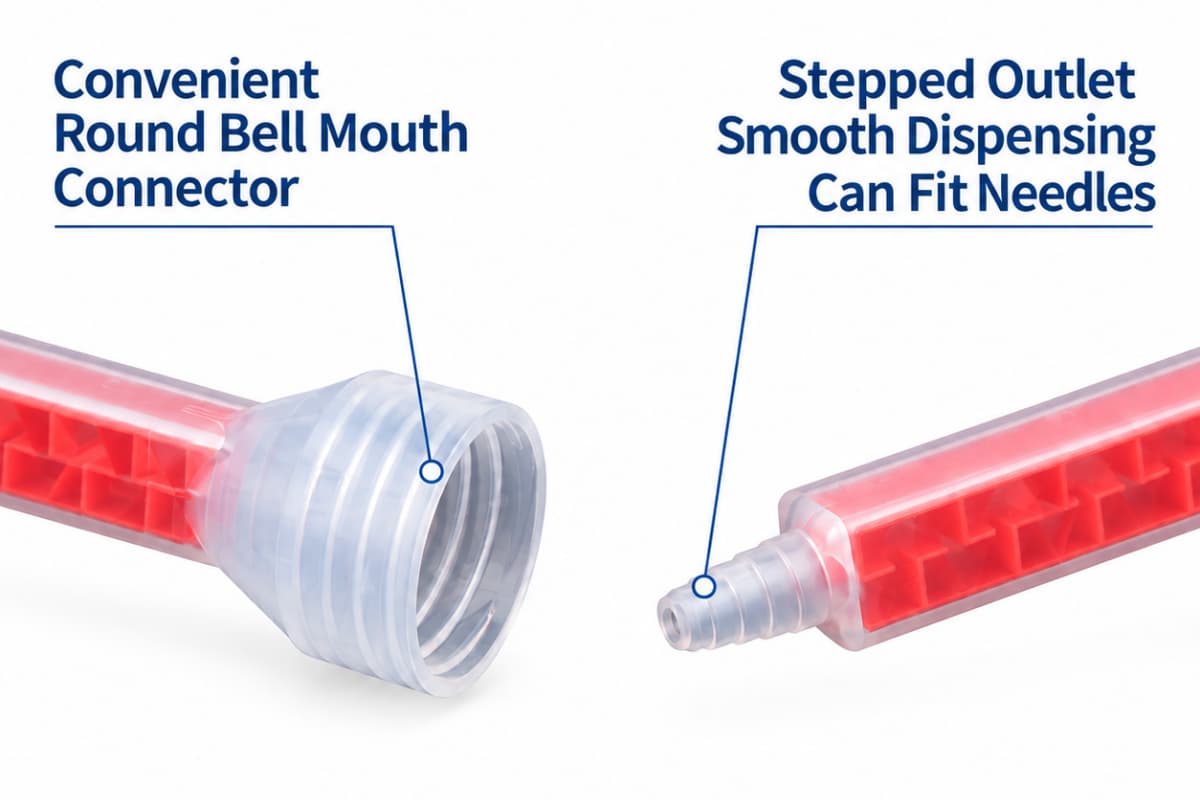
When sourcing a static mixing nozzle for two-component (2K) adhesive systems, selecting the correct interface design is the primary factor in preventing dispensing failures. A mismatched connection between the dual cartridge and the nozzle leads to fluid cross-contamination (cross-talk), chemical leakage at the bayonet, and off-ratio curing defects.
This guide analyzes the four dominant cartridge connection standards—A, B, C, and F systems. By understanding the geometric differences, sealing mechanisms, and flow dynamics of different element types, process engineers and procurement managers can specify the exact adhesive mix nozzles required for their specific fluid viscosities and operating pressures. For buyers evaluating complete fluid delivery setups, reviewing static and dynamic mixers requires first establishing the baseline interface compatibility.
Decoding A, B, C, and F Systems: Interface Geometries and Bayonet Configurations
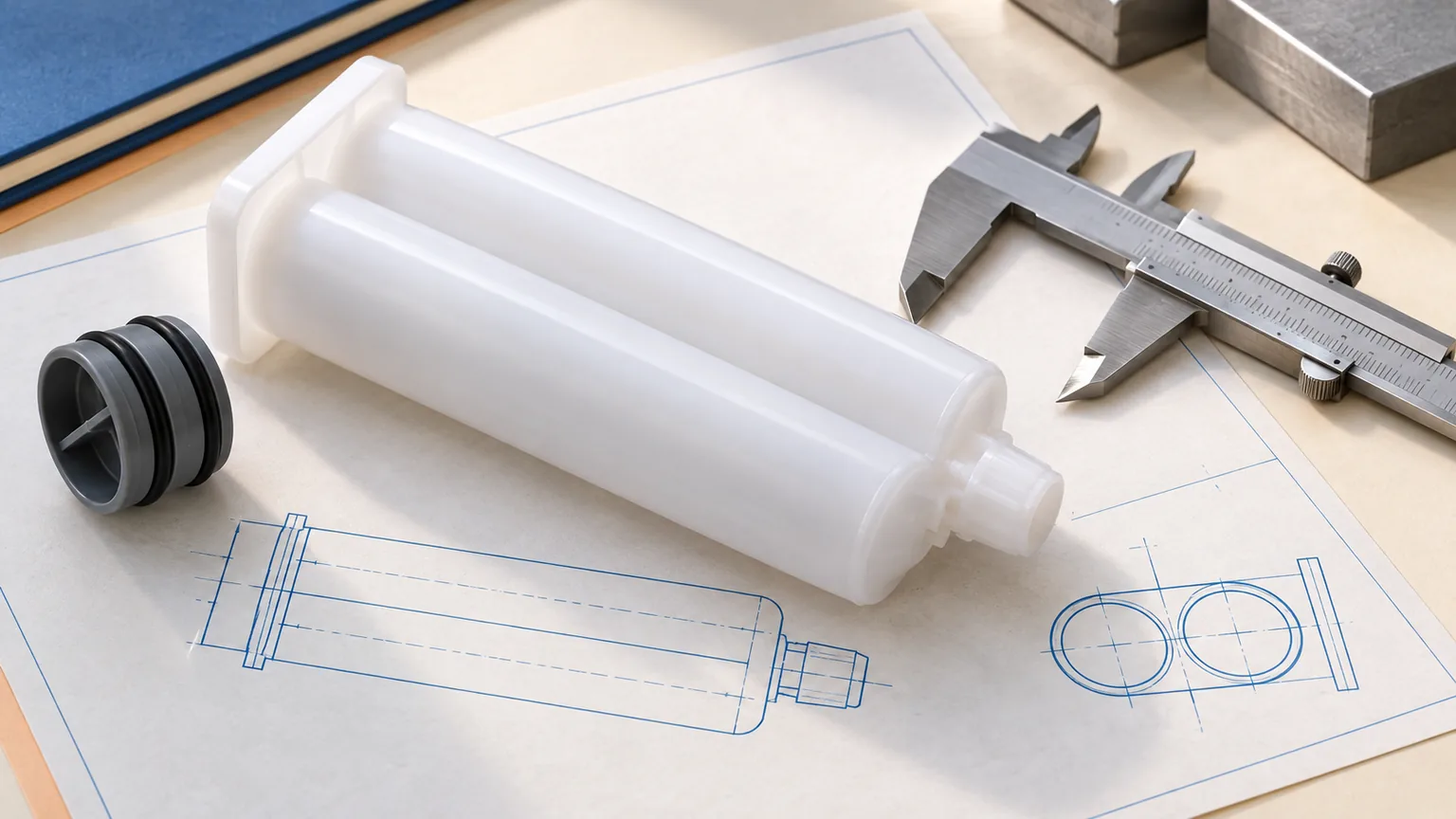
Industrial 2K cartridges utilize specific neck geometries to handle different volumetric capacities and fluid pressures. Static mixer manufacturers engineer standard nozzles to lock into these interfaces, ensuring accurate alignment of the Part A (resin) and Part B (hardener) fluid ports.
The following comparison details the structural differences across the primary dispensing systems:
Cartridge Interface Comparison
| System | Typical Cartridge Volume | Retention / Locking Mechanism | Port Design & Fluid Isolation | Best Suited For |
| A-System | 50 ml | Standard twist-lock bayonet (90° turn) | Open fluid divider; concentric fit | Standard manual dispensing of structural epoxies and silicones. |
| B-System | 50 ml | Asymmetric twist-lock bayonet | Separated fluid ports with specialized barrier | Low-viscosity acrylics and MMAs prone to cross-contamination. |
| C-System | 200 ml, 400 ml | Threaded retaining nut / collar | Flat face seal with dual cylindrical spigots | High-pressure pneumatic dispensing of high-viscosity pastes. |
| F-System | 200 ml, 400 ml | Heavy-duty twist bayonet with separate lock | Independent, isolated outlet sockets | Automated dispensing requiring strict isolation before the mixer. |
Standard manual assembly lines frequently deploy A-system static mixers due to rapid twist-and-lock changeovers. For higher-volume production utilizing 200ml or 400ml cartridges under heavy pneumatic pressure, engineers typically specify F-system static mixers to guarantee zero fluid mixing prior to the first element chamber.
Engineering Seal Reliability: Preventing Leaks and Cross-Contamination
A disposable static mixing nozzle must maintain a hermetic seal against backpressures that often exceed 80 psi (5.5 bar) during automated dispensing. If the interface yields, adhesive bypasses the dividing wall, curing prematurely inside the cartridge neck.
An experienced adhesive static mixing nozzle supplier engineers specific features to combat leakage. Engineers should evaluate nozzles against the following mechanical criteria:
Interface Troubleshooting and Design Checklist
- Tapered Spigot Seating: Ensure the male spigots on the nozzle feature a micro-taper. This creates an interference fit against the cartridge female orifices, forming a high-pressure seal as the bayonet engages.
- Dividing Wall Integrity: For highly reactive urethanes, verify that the dividing barrier inside the nozzle inlet sits flush against the cartridge septum. Any gap allows lateral fluid migration (cross-talk).
- Flange and Bayonet Rigidity: Inspect the locking wings or lugs. Under high fluid viscosity, backpressure forces the nozzle outward. If the plastic wings deflect or bend, the tapered seal unseats, resulting in base leakage.
- Flash-Free Molding: Confirm the absence of parting-line flash on the internal mating surfaces. Micro-burrs left from the injection molding process are the most common cause of fluid bypass at the seal face.
Flow Dynamics: Quadro vs. Helical Elements in Industrial Mixes
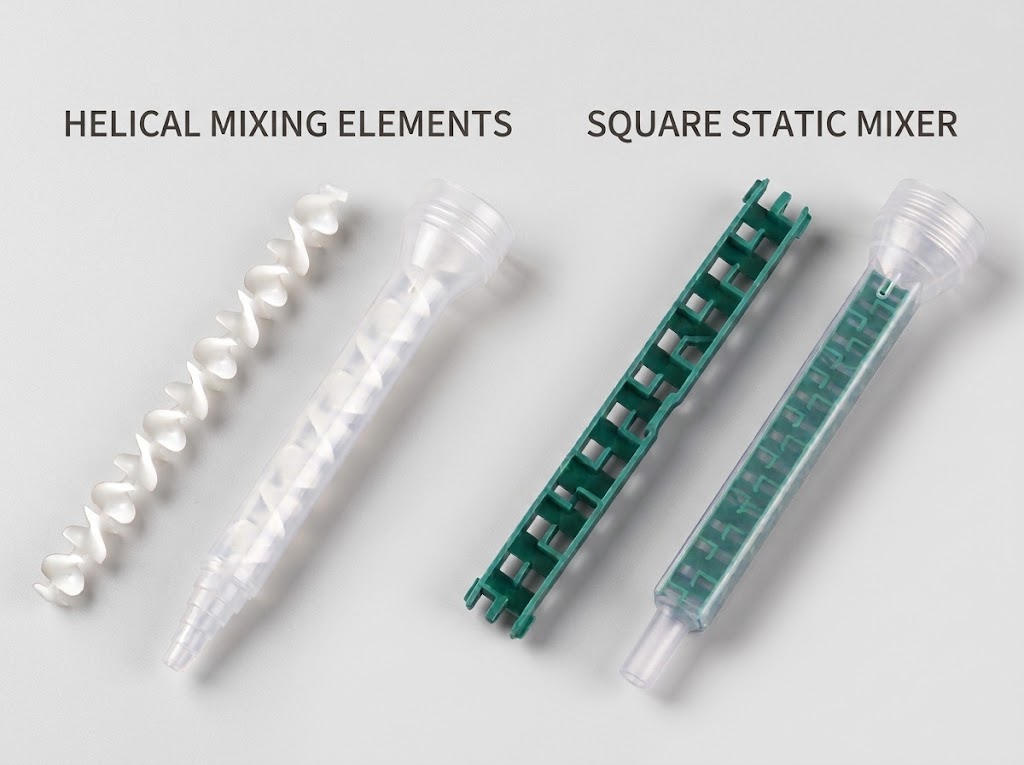
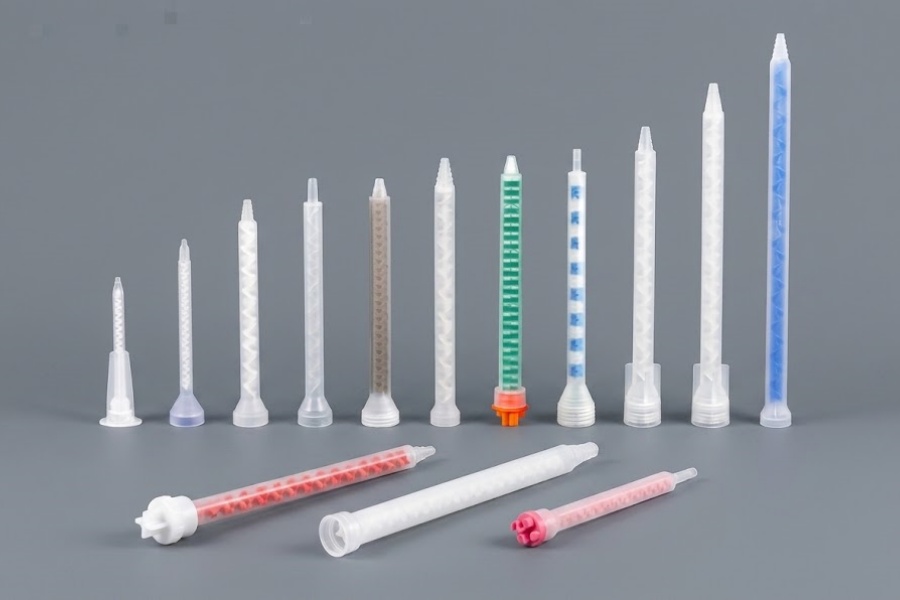
Beyond the external interface, the internal geometry of the mixing elements dictates the thoroughness of the chemical reaction and the resulting backpressure on the dispensing gun. The two standard configurations are the quadro static mixer nozzle (square) and the helical static mixer nozzle (spiral).
Selection Decision Framework
1. Helical (Spiral) Elements
- Mechanism: Alternating 180° left and right spirals divide and rotate the fluid stream.
- Flow Characteristic: Laminar, low-shear flow with minimal backpressure.
- Select When: Dispensing shear-sensitive materials, highly abrasive adhesives (e.g., thermal interface materials with ceramic fillers), or when using manual guns where reducing operator hand fatigue is critical.
2. Quadro (Square) Elements
- Mechanism: A complex series of baffles that split the fluid into four separate streams per element, rapidly increasing the layer count in a shorter physical distance.
- Flow Characteristic: Turbulent transition, high shear, and higher backpressure.
- Select When: Combining fluids with extreme viscosity differences (e.g., a thick paste resin with a water-thin catalyst), working with wide mix ratios (4:1 or 10:1), or when a shorter nozzle is needed to fit within the restrictive payload envelope of a robotic dispensing arm.
Material Selection and Chemical Compatibility for Disposable Nozzles
The polymeric housing and internal elements must resist the chemical solvents present in the adhesive while withstanding continuous hydraulic stress. A reliable wholesale static mixer supplier will offer different material grades based on application requirements.
Material Specification Checklist
- Polypropylene (PP): The standard choice for nozzle housings. PP offers high elongation (preventing brittle fracture under pressure spikes) and broad resistance to epoxies, silicones, and polyurethanes.
- Polyoxymethylene (POM / Acetal): Frequently used for the internal mixing elements (particularly Quadro types). POM provides higher tensile strength and maintains rigidity when exposed to aggressive organic solvents and high-shear pastes, though it is less translucent than PP.
When specifying nozzles for highly aggressive methacrylates or heated dispensing applications, verify material compatibility with your supplier to prevent housing degradation.
Tailoring Interface Solutions: OEM/ODM Customization for Non-Standard Applications
When standard A/B/C/F interfaces cannot mate with proprietary meter-mix equipment or specialized dual-syringes, custom interface development becomes necessary. Partnering with primary static mixer manufacturers allows integrators to bypass standard constraints through dedicated OEM tooling.
The Custom Interface Development Process
- Application Audit: Engineers analyze the non-standard cartridge CAD files, target flow rates, volumetric mix ratio, and expected pneumatic pressure curves.
- Flow Simulation and Prototyping: Utilizing computational fluid dynamics (CFD) to design custom port offsets and retaining mechanisms. SLA/SLS prototypes are generated for physical dry-fitting.
- Mold Cavitation: Precision injection molds are cut, focusing on the critical tolerances (±0.02 mm) required for the mating spigots and dividing walls to prevent cross-contamination.
- Hydrostatic Testing: Molded samples undergo burst-pressure testing and automated cycle testing to validate the new interface under production conditions.
For operations requiring non-standard port geometries or integrated luer-lock discharge tips, exploring custom static mixer solutions ensures the final nozzle mates perfectly with proprietary hardware.
After identifying the A, B, C, or F connection family, continue with the static mixer code and cross-reference guide to document diameter, element count, outlet, polymer, and the controlled trial.
Frequently Asked Questions (FAQ) on Interface Compatibility
Can I mix and match A-System nozzles across different cartridge brands?
While the external 90° bayonet wings of a standard A-System are globally standardized, the internal tapers and divider heights can vary slightly between cartridge molders. Mixing brands can lead to micro-leaks or cross-contamination. It is highly recommended to perform a low-pressure dye test before authorizing a different nozzle brand for automated production.
How do I confirm if my existing dispensing gun is compatible with an F-System setup?
F-System cartridges feature distinct, separated outlet ports extending from the cartridge body, which requires a specific retaining collar on the nozzle. Your dispensing gun must have a front retaining plate or slot wide enough to accommodate this broader dual-neck geometry without crushing the isolated ports when the safety lock is engaged.
Why should I choose a Quadro mixer over a longer Helical mixer?
Quadro mixers achieve the necessary homogenous blend in roughly half the physical length of a comparable Helical mixer. This compact size reduces the volume of retained, wasted adhesive inside the nozzle after dispensing (retained volume waste), which significantly lowers consumable costs in high-volume manufacturing.
Contact us for technical support
Optimize Your 2K Dispensing Process
Avoid costly assembly shutdowns and adhesive waste caused by incompatible interfaces. Contact the engineering team at HaiJing to discuss your fluid viscosity, operating pressures, and cartridge specifications. We can provide sample validation kits for A, B, C, or F systems, or evaluate your requirements for custom nozzle tooling.