
Heavy-Duty Cartridges & High-Thrust Guns for Construction Sealants: A Job-Site Dispensing Selection Guide
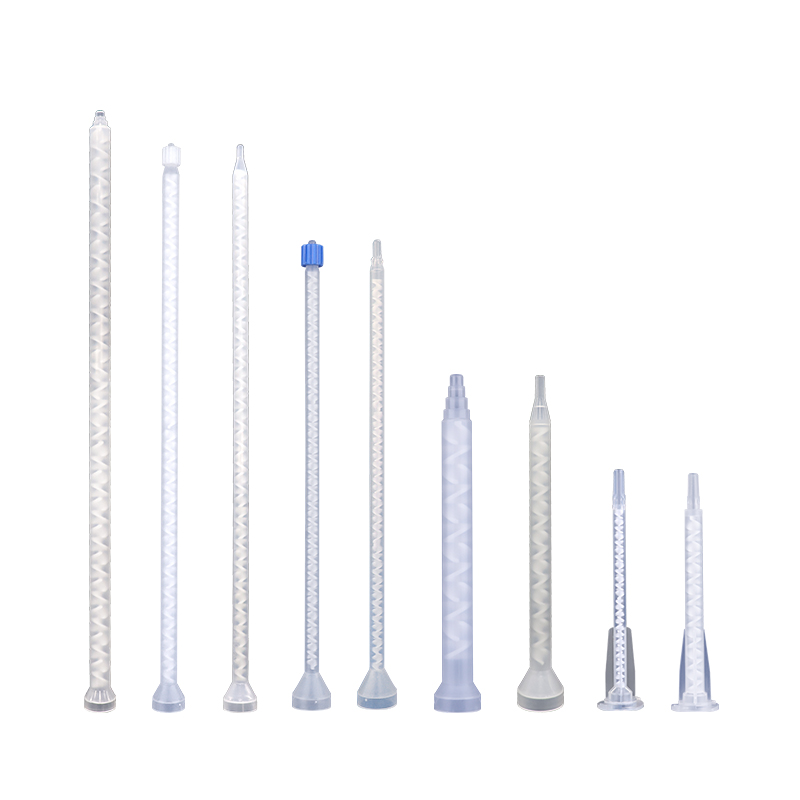
Match heavy-duty cartridges, high-thrust guns, and static mixers to construction sealing jobs. Selection logic, on-site troubleshooting, and a pre-spec compatibility checklist.
Epoxy Mixing Nozzles for 200ml & 400ml Cartridges: Sizing, Ratio, and Fit
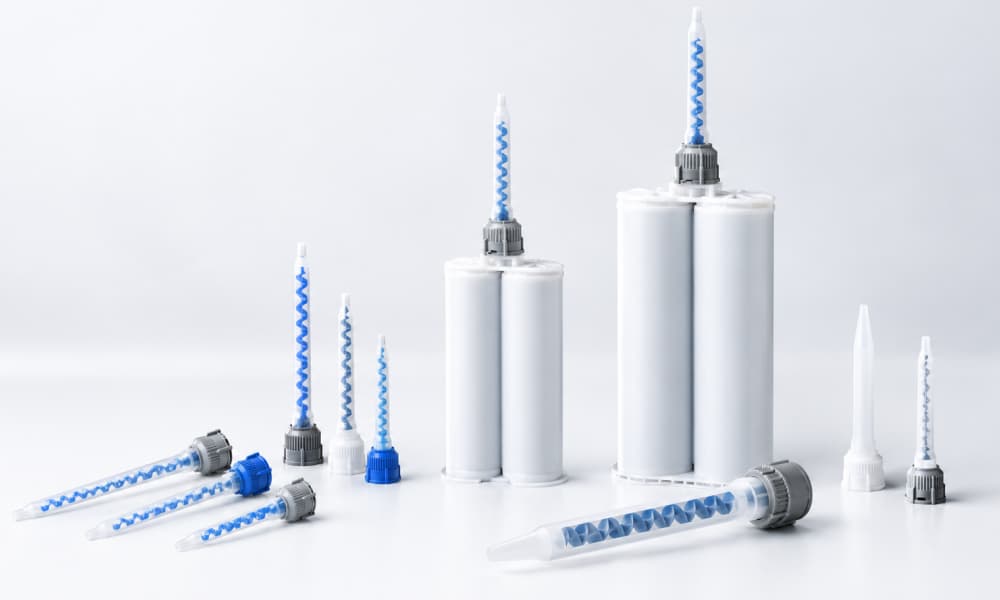
Choosing an epoxy mixing nozzle for 200ml or 400ml cartridges? Match chemistry, ratio, and interface (Bell/Screw-On/F-System) to element count and bore. Practical sizing table plus FAQ.
Electronics Potting & Encapsulation Dispensing: Choosing the Right System
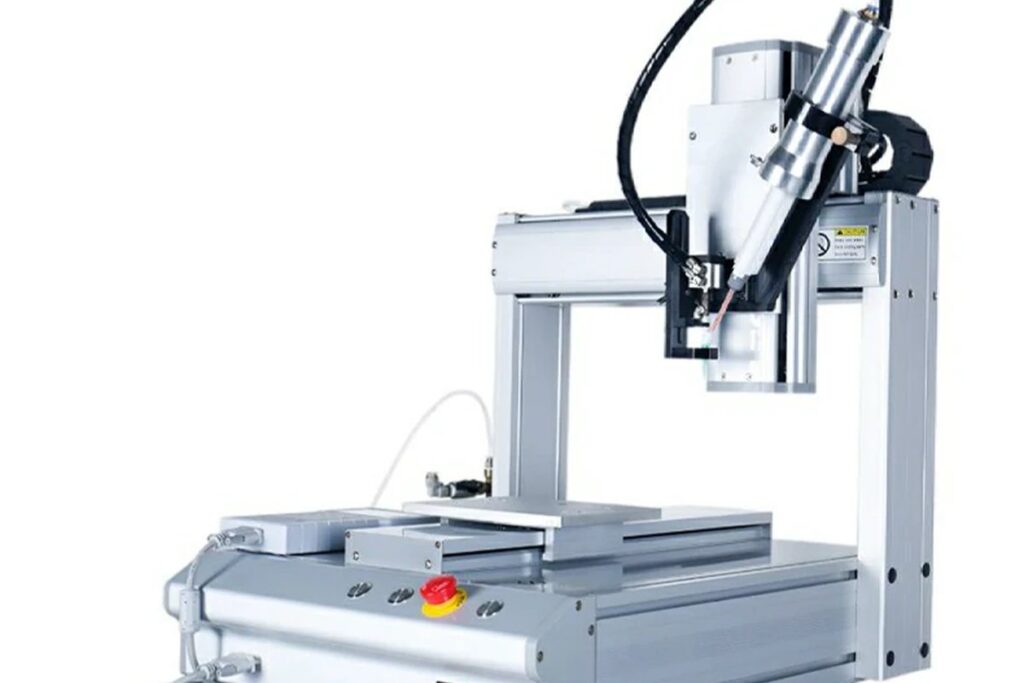
Learn how to choose an electronics potting dispensing system: manual vs automated, one-part vs two-part materials, cartridges, static mixers, and guns.
Mixpac MA / MB / MC / MCX Compatibility Guide: Which Static Mixers Are Interchangeable

Mixpac MAH/MAHX/MBH/MCH/MCQ nozzles: which cartridges do they fit? Map Mixpac A/B/C/F systems, Nordson EFD cross-fit, and when mixing brands backfires.
How to Choose a Static Mixer Nozzle: The Complete 2026 Selection Guide

Pick the right static mixer nozzle: mix ratio, viscosity, cartridge size, A/B/C/F interfaces, helical vs square geometry, element count, and a decision flow.
Helical vs Quadro (Square) Static Mixers: Waste and Length Compared
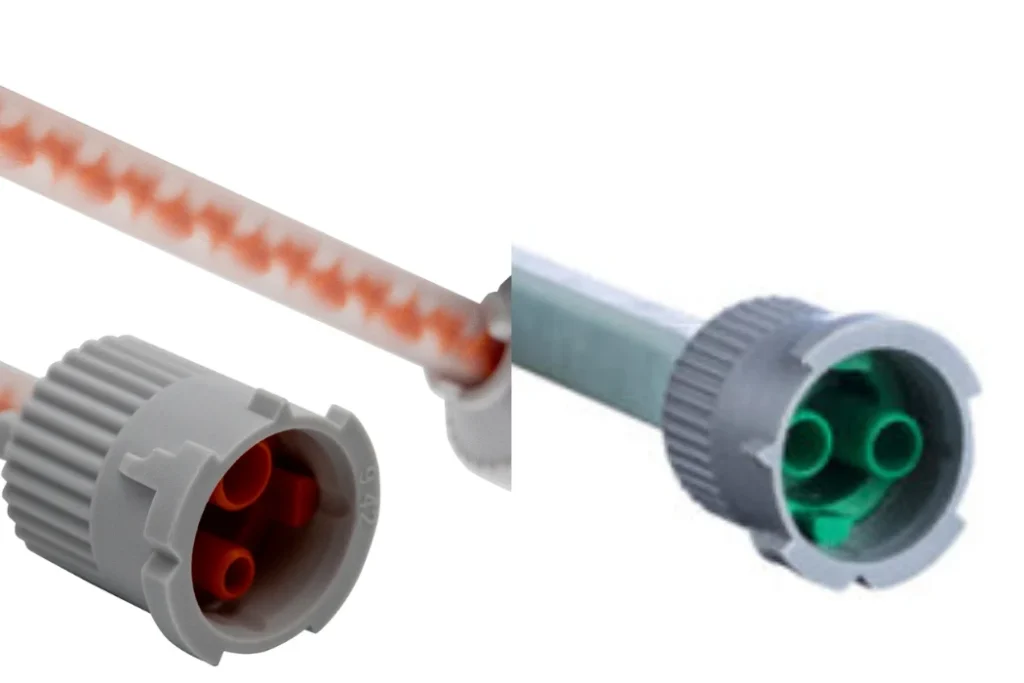
Key Takeaways Quadro cuts waste. Square-element mixers hold roughly 30–50% less retained adhesive than helical tubes of equal mixing capability, which matters most with high-cost structural resins. Helical is the default. Round spiral elements are the industry-standard geometry for common 1:1 and 2:1 formulations and fit every budget tier. Wide ratios favor Quadro. At 4:1 […]
Epoxy Mixing Nozzle Materials: PP vs PA vs PBT
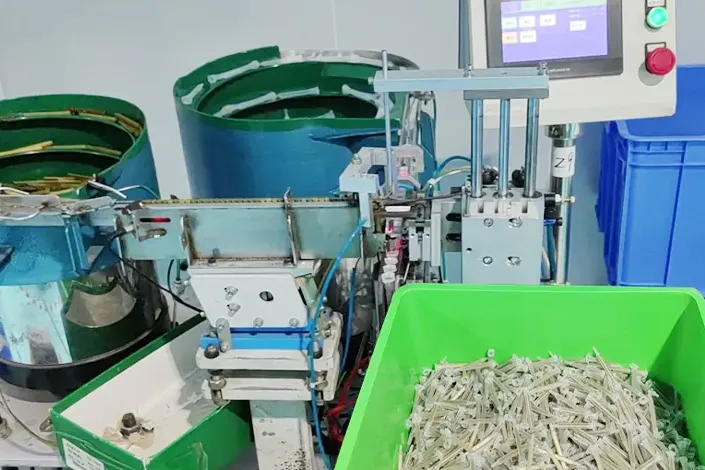
Key Takeaways PP is the default. Industrial-grade polypropylene handles most epoxies, polyurethanes, and silicones at the lowest cost. PA adds strength. Polyamide housings resist higher pressures and temperatures where PP would creep or soften. PBT leads on dimensional stability. Tighter as-molded tolerances and better chemical resistance suit demanding automated lines. Chemical compatibility decides. The cheapest […]
What Is a Static Mixer? How Cartridge Mixing Nozzles Work
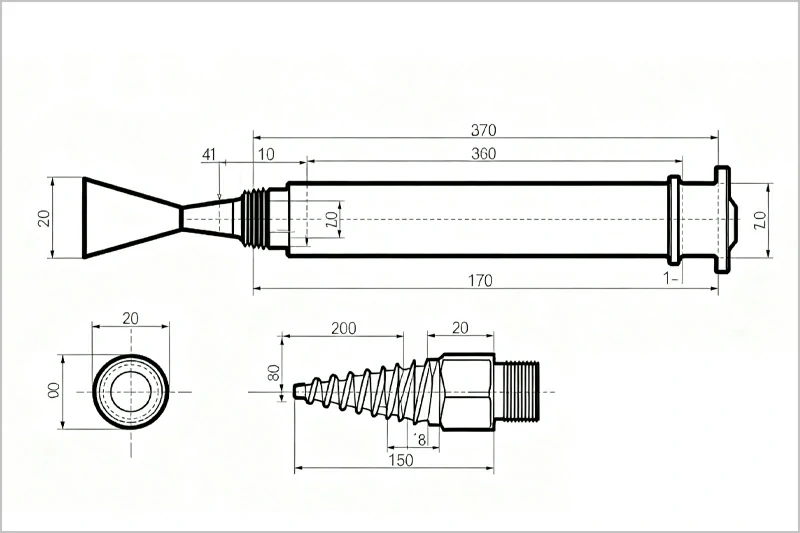
A static mixer is a motionless dispensing attachment that splits, shears, and recombines two-component (2K) adhesives as they are pushed through it, producing a homogeneous blend without any moving parts. It screws or twists onto the outlet of a dual-component cartridge, and the energy for mixing comes entirely from the pressure of the dispensing gun […]
Dynamic vs Static Mixers: A Side-by-Side Comparison for High-Viscosity Adhesives
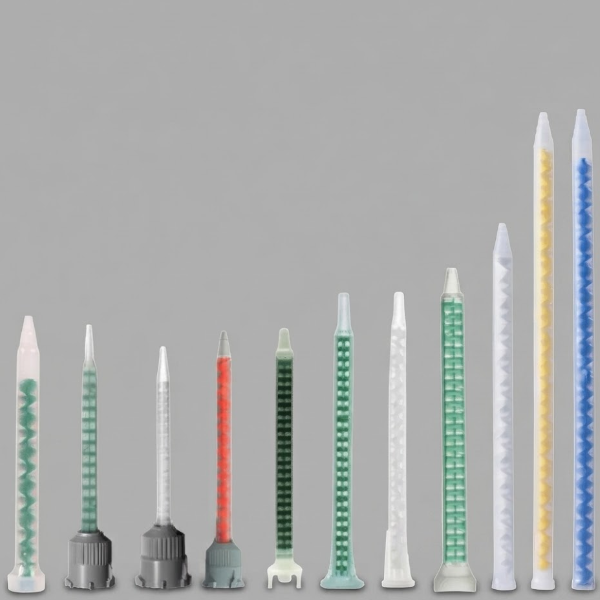
Dynamic vs Static Mixers: A Side-by-Side Comparison for High-Viscosity Adhesives Selecting the right dispensing configuration for high-viscosity materials dictates the structural integrity and bond performance of finished assemblies. When dispensing two-component adhesives like high-viscosity epoxies and polyurethanes, engineers frequently encounter a fundamental hardware decision: choosing between a passive fluid path or a powered mixing mechanism. […]
Teflon-Coated vs. Stainless Steel Dispense Needles: Preventing Glue Buildup
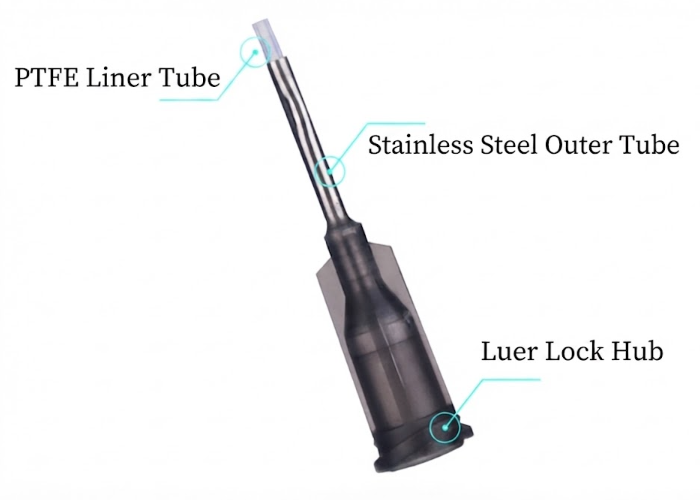
Teflon-Coated vs. Stainless Steel Dispense Needles: Preventing Glue Buildup Selecting the right dispensing needle directly impacts production yield, fluid flow consistency, and maintenance frequency in automated or manual assembly lines. When dispensing industrial adhesives such as UV-curable resins, instant glues, or two-component epoxies, fluid residue and tip clogging are primary causes of downtime and dispensing […]